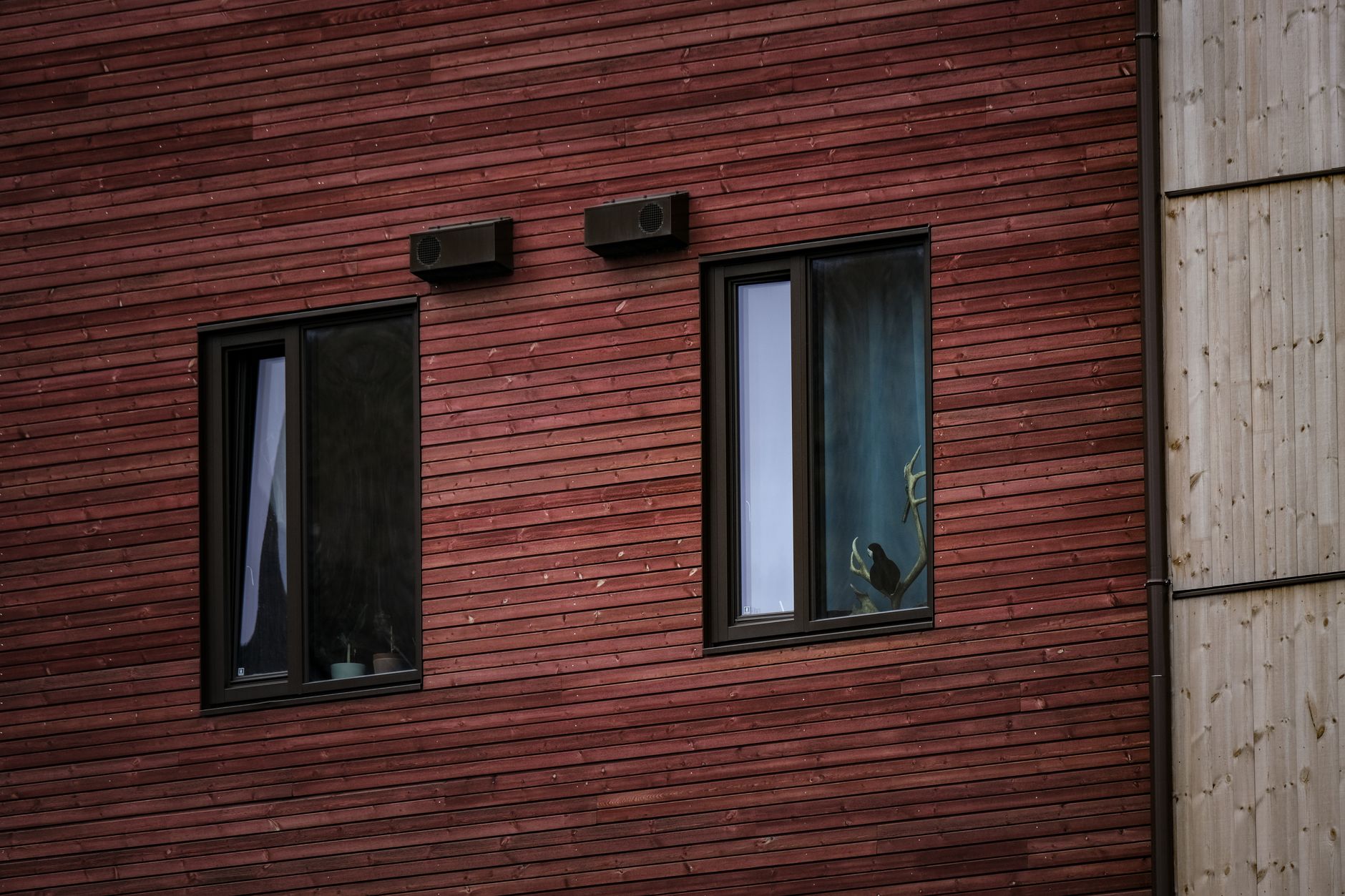
Introduction to Redwood Siding
What Is Redwood Siding?
Redwood siding is a popular exterior cladding material made from the heartwood of redwood trees, known for its rich color, distinctive grain patterns, and natural durability. Unlike other wood siding options, redwood offers a combination of beauty and strength that has made it a preferred choice for homeowners seeking a stylish yet long-lasting exterior finish.
Why Choose Redwood for Your Home Exterior?
Choosing redwood siding for your home means investing in a material that ages gracefully and withstands the elements. Its natural oils provide resistance to decay and insects, reducing the need for harsh chemical treatments. Additionally, redwood’s warm hues and elegant textures can elevate the overall curb appeal of your property, making it a smart choice for those who want a blend of functionality and aesthetics.
Durability and Weather Resistance
Natural Resistance to Decay and Insects
One of the standout qualities of redwood siding is its inherent resistance to decay and insect damage. The heartwood contains natural tannins and oils that deter termites, carpenter ants, and other wood-boring insects. This built-in defense system helps extend the life of the siding without relying heavily on synthetic preservatives, which can be harmful to the environment.
Performance in Different Climates
Redwood siding excels in a variety of climates—from humid coastal areas to dry inland regions. Its cellular structure allows it to breathe, reducing the risk of moisture buildup that can cause warping or rot. Whether exposed to heavy rain, snow, or intense sun, redwood maintains its integrity better than many other wood species, making it a versatile option for diverse weather conditions.
Aesthetic Appeal and Design Flexibility
Unique Grain and Color Variations
Every piece of redwood siding showcases a unique grain pattern and color tone, ranging from deep reds and rich browns to lighter golden hues. This natural variation adds depth and character to any home exterior, ensuring that no two redwood siding installations look exactly alike. Over time, redwood develops a beautiful silvery patina if left untreated, offering homeowners a choice between maintaining its vibrant color or embracing a weathered look.
How Redwood Complements Various Architectural Styles
Redwood siding adapts well to many architectural styles, from rustic cabins and craftsman homes to modern and contemporary designs. Its warm tones soften the sharp lines of modern architecture, while its natural texture enhances the charm of traditional and cottage-style homes. This flexibility makes redwood an excellent choice for homeowners looking to merge durability with timeless style.
Maintenance and Longevity Tips
Proper Installation Practices
To maximize the lifespan of redwood siding, proper installation is essential. Ensuring adequate ventilation behind the siding, using corrosion-resistant fasteners, and applying a quality primer or sealant all contribute to preventing moisture intrusion and wood degradation. Additionally, installing flashing and drip edges helps protect vulnerable areas from water damage.
Cleaning and Sealing Recommendations
Maintaining redwood siding involves routine cleaning and sealing to preserve its natural beauty and protective qualities. Cleaning with mild soap and water removes dirt and mildew without damaging the wood. Applying a penetrating sealant or stain every few years helps guard against UV damage, moisture, and fading. Regular maintenance not only keeps redwood siding looking fresh but also extends its functional life significantly.
Environmental and Sustainability Considerations
Sourcing Responsibly Harvested Redwood
Choosing redwood siding from responsibly managed forests is crucial for environmental sustainability. Certified redwood suppliers follow strict guidelines to ensure that harvesting practices do not deplete natural resources or harm ecosystems. By selecting sustainably sourced redwood, homeowners support forestry practices that promote regeneration and biodiversity.
Redwood’s Eco-Friendly Properties
Redwood is an environmentally friendly building material due to its longevity and minimal chemical treatment requirements. Its natural resistance reduces the need for harmful preservatives, and because it is biodegradable at the end of its life cycle, redwood siding has a lower environmental impact compared to synthetic alternatives. Additionally, redwood’s excellent insulation properties can contribute to energy efficiency in homes.
Cost Analysis and Long-Term Value
Initial Investment Compared to Alternatives
While redwood siding tends to have a higher upfront cost than vinyl or some other wood options, this investment reflects its superior quality and durability. The price premium is often justified by the material’s resistance to damage and reduced maintenance needs. Homeowners should consider the long-term savings in repair and replacement costs when evaluating the initial expenditure.
Return on Investment Through Durability and Beauty
Redwood siding adds significant value to a home by enhancing curb appeal and offering long-lasting performance. Its timeless beauty and ability to withstand harsh weather reduce the frequency of costly repairs or replacements. Over time, these benefits translate into a strong return on investment, making redwood siding a financially sound choice for homeowners looking to protect and beautify their property.
Conclusion
Redwood siding stands out as a smart choice for homeowners who want a durable, attractive, and environmentally responsible exterior material. Its natural resistance to decay and insects, combined with striking aesthetics and versatility, make it suitable for a wide range of home styles and climates. By investing in proper installation and maintenance, you can enjoy the lasting benefits of redwood siding for decades, adding both value and elegance to your home.
Frequently Asked Questions
Is redwood siding suitable for all climates?
Yes, redwood siding performs well in a range of climates due to its natural resistance to moisture and insects, making it a versatile choice for many regions.
How often should redwood siding be maintained?
To keep redwood siding looking its best, it should be cleaned annually and resealed every 3 to 5 years depending on exposure to the elements.
Can redwood siding be painted or stained?
Redwood siding can be either stained or painted, but many homeowners prefer staining to highlight its natural grain and color.