What Is a Siding Square?
Definition and Importance
A siding square is a unit of measurement used in the construction and home improvement industry to estimate the amount of siding material required for a building’s exterior. Specifically, one siding square represents 100 square feet of wall surface. This standard measurement helps homeowners, contractors, and suppliers communicate clearly and efficiently about the quantities needed for siding projects.
How a Siding Square Simplifies Estimation
By converting wall surface areas into siding squares, it becomes easier to calculate the amount of siding material necessary. Rather than dealing with complex dimensions in feet and inches, siding squares provide a straightforward number that corresponds with packaging sizes and pricing. This simplifies ordering, budgeting, and project planning, reducing the risk of underbuying or overbuying materials.
Why Accurate Measurement Matters
Avoiding Material Waste
Accurate measurements ensure you purchase the right amount of siding. Overestimating can lead to excess materials that may go unused, increasing costs and creating waste. Conversely, underestimating means running out of siding mid-project, causing delays and potential mismatches if you need to order more later. Precise measurements help minimize both waste and frustration.
Budgeting and Cost Planning
Knowing the exact siding square footage allows you to create a realistic budget. Siding materials vary widely in price depending on type and quality, so calculating the precise amount needed helps you forecast expenses more accurately. This clarity supports better financial planning and helps you avoid surprises during your project.
Tools Needed to Measure Siding Squares
Measuring Tape and Laser Measures
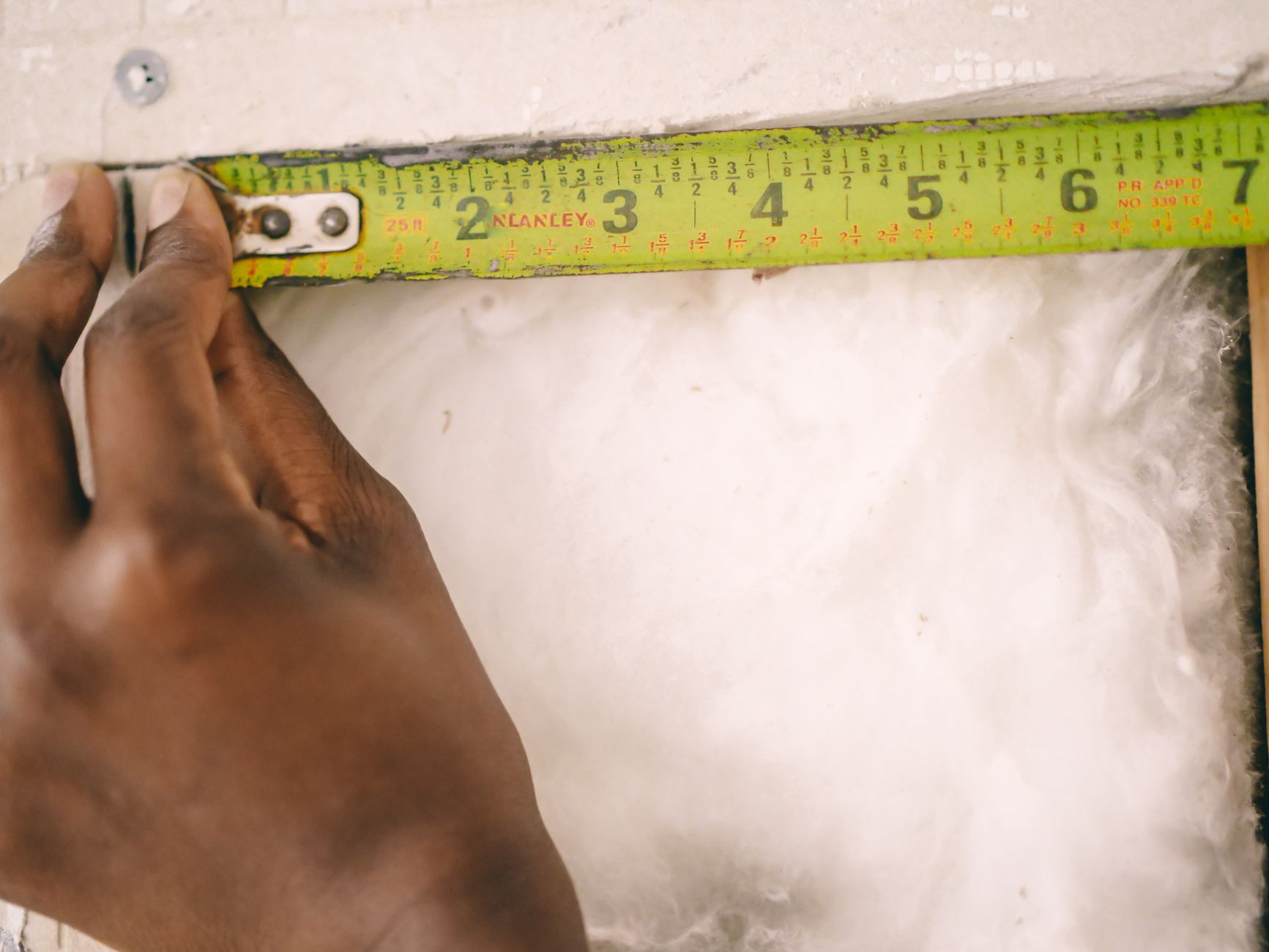
The most essential tools for measuring siding squares are a reliable measuring tape and, if possible, a laser distance measurer. A measuring tape is suitable for smaller walls and straightforward measurements, while a laser measurer offers quick and accurate readings for larger or hard-to-reach areas. Using both tools together can enhance precision and efficiency.
Calculator and Notepad
A calculator is vital for converting your measurements into square footage and subsequently into siding squares. A notepad or smartphone app is equally important for recording measurements as you go. Keeping organized notes prevents errors and makes the calculation process smoother.
Step-by-Step Guide to Measuring Your Home for Siding
Preparing Your House Exterior
Before measuring, clear the exterior walls of any obstructions such as furniture, plants, or decorations. Ensure the surfaces are visible and accessible. If you’re working alone, gather all your tools and consider safety equipment like sturdy ladders or scaffolding for higher walls.
Measuring Height and Length of Walls
Measure each wall individually. First, record the height from the foundation to the roofline or eaves. Then measure the length of the wall from one corner to the other. For walls with irregular shapes or multiple sections, break the wall into smaller, manageable segments and measure each separately.
Calculating Total Square Footage
Multiply the height by the length for each wall segment to find its square footage. Add the square footage of all segments together to get the total wall area. This total represents the gross surface area to be covered with siding before subtracting openings like windows and doors.
Converting Square Footage to Siding Squares
Divide the total square footage by 100 to convert it into siding squares. For example, if your total wall area is 1,200 square feet, then you need 12 siding squares. This number will be the basis for ordering your siding materials.
Estimating How Much Siding You Need
Accounting for Doors, Windows, and Openings
Subtract the combined area of doors, windows, and any other openings from your total wall square footage before converting to siding squares. Measure each opening’s height and width, multiply to find the square footage, and total these amounts. Deduct this from the gross wall area to avoid purchasing excess siding.
Adjusting for Waste and Overages
It’s wise to add an extra 5-10% to your siding squares to cover waste from cutting, fitting, and potential mistakes. The exact percentage depends on the complexity of your siding pattern, the type of material, and your confidence in the measurements. This buffer helps ensure you won’t run short during installation.
Tips for Accurate Estimation and Ordering
Double-Check Measurements
Always measure twice—or even thrice—to confirm accuracy. Small errors can significantly affect the total siding needed. Cross-verify your numbers and calculations before placing an order to prevent costly mistakes.
Consulting with Siding Professionals
If you’re unsure about your measurements or the siding type to choose, consulting with a siding contractor or supplier can provide valuable insight. Professionals can spot potential issues, recommend materials, and sometimes offer measurement services to ensure you get it right.
Choosing the Right Type of Siding
Different siding materials—vinyl, wood, fiber cement, metal—have unique installation requirements and waste factors. Understanding the characteristics of your chosen siding helps you estimate more precisely and select the best product for your home’s style and climate.
Conclusion
Understanding what a siding square is and how to measure it accurately is essential for any siding project. By carefully measuring your home’s exterior, accounting for windows and doors, and allowing for waste, you can confidently order the right amount of siding. Taking the time to get these details right will save you money, reduce waste, and help your siding installation proceed smoothly and efficiently.
FAQ
What exactly does one siding square cover?
One siding square covers 100 square feet of wall area, which helps standardize material measurement and ordering.
How do I account for windows and doors when measuring siding squares?
Subtract the combined area of windows and doors from the total wall area before converting to siding squares to avoid overestimating materials.
Can I measure siding squares myself or should I hire a professional?
While you can measure siding squares yourself with proper tools and care, hiring a professional can ensure accuracy and save time, especially for complex homes.