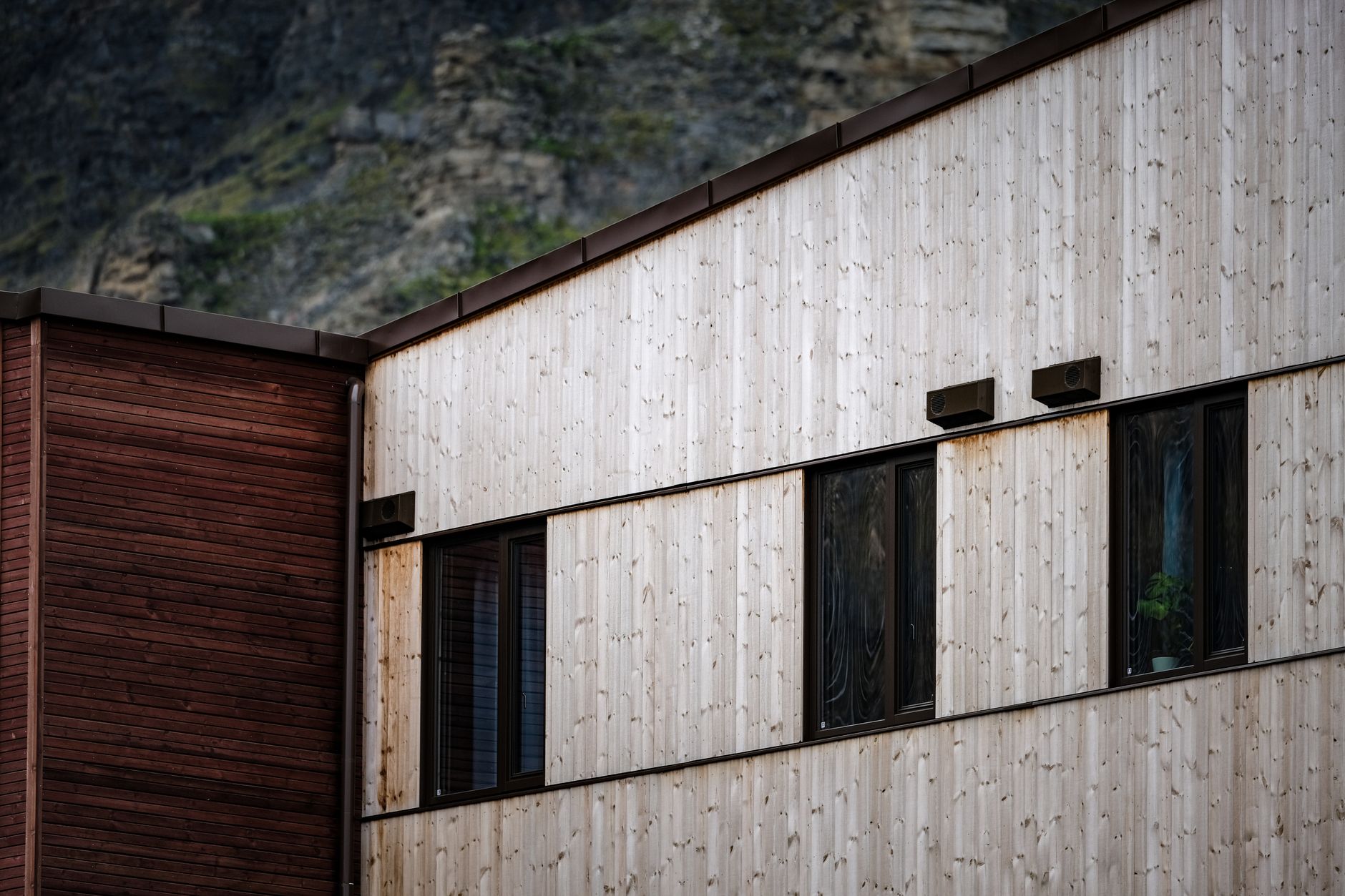
Introduction to Wood Outdoor Siding
Why Choose Wood Siding for Your Home?
Wood outdoor siding remains a popular choice for homeowners who want to combine classic beauty with natural warmth. Unlike synthetic alternatives, wood offers a unique charm and character that enhances any home's exterior. Beyond aesthetics, wood siding provides excellent versatility and the potential to increase your property’s value. For those seeking a timeless, environmentally friendly option, wood siding is an ideal solution.
Understanding Wood Siding Basics
Wood siding refers to the application of wooden boards or panels on the exterior walls of a building. It serves as both a protective barrier against weather elements and a decorative feature. Wood siding comes in various styles such as clapboard, shingles, and shakes, each offering distinct textures and appearances. Proper installation and maintenance are crucial to maximize the lifespan and performance of wood siding.
Popular Types of Wood Outdoor Siding
Cedar Siding: Durability and Aesthetics
Cedar is highly favored for outdoor siding due to its natural oils that resist rot, decay, and insect activity. Its light weight and fine grain make it easy to work with and finish. Cedar siding ages beautifully, often developing a charming silvery-gray patina if left untreated. It offers a warm, rustic look that suits a variety of architectural styles.
Pine Siding: Cost-Effective and Versatile
Pine is one of the more affordable wood siding options, making it popular for budget-conscious projects. It takes paint and stains well, allowing homeowners to customize the finish to their liking. While pine is softer than cedar and redwood, proper treatment with preservatives and sealants improves its durability. It’s a versatile choice that can mimic the look of more expensive woods when properly maintained.
Redwood Siding: Natural Beauty and Resistance
Redwood siding is prized for its rich reddish hues and natural resistance to moisture and insects. Its dense grain structure makes it durable in a range of climates, especially in coastal areas. Redwood offers a luxurious appearance and requires less maintenance than many other woods. However, it tends to be higher in cost, reflecting its premium quality and longevity.
Engineered Wood Siding: Modern Alternatives
Engineered wood siding combines wood fibers with resins and other materials to create a product that mimics natural wood while improving resistance to moisture, warping, and pests. It often comes pre-primed for easier finishing and can be more affordable than solid wood. This option suits homeowners who want the look of wood with added durability and less upkeep.
Benefits of Wood Outdoor Siding
Natural Insulation and Energy Efficiency
Wood siding naturally insulates your home, helping to regulate indoor temperatures and reduce energy costs. Its cellular structure slows heat transfer, making it a smart choice for energy-conscious homeowners. Paired with proper insulation behind the siding, wood contributes significantly to maintaining a comfortable living environment.
Enhancing Curb Appeal and Home Value
Wood siding elevates the aesthetic appeal of a home with its authentic texture and warmth. This enhancement not only makes your property stand out but can also boost its market value. Buyers often associate wood siding with quality craftsmanship and timeless style, making it a desirable feature during resale.
Environmental Sustainability of Wood
Wood siding is a renewable resource when sourced responsibly from sustainably managed forests. It has a smaller carbon footprint compared to many synthetic materials because it requires less energy to produce and is biodegradable. Choosing wood siding supports eco-friendly building practices and reduces environmental impact.
Choosing the Right Wood Siding for Your Climate
How Weather Affects Wood Siding Performance
Climate plays a significant role in how wood siding performs over time. Excessive moisture can lead to rot and mold, while intense sun exposure may cause fading and cracking. Areas with frequent freeze-thaw cycles require siding that tolerates expansion and contraction without damage. Understanding your local weather conditions helps you select the best wood type and finish for durability.
Best Wood Choices for Humid vs. Dry Climates
In humid climates, cedar and redwood are top picks due to their natural resistance to moisture and decay. These woods hold up well in damp environments and reduce maintenance needs. For drier regions, pine and engineered wood siding perform admirably, especially when sealed properly to prevent cracking or warping. Matching wood type to your climate ensures a longer-lasting exterior.
Protective Treatments to Extend Longevity
Applying water-repellent sealants, stains, or paints creates a protective barrier that shields wood siding from moisture, UV rays, and pests. Regular treatments prevent deterioration and maintain the wood's appearance. Some finishes also provide mildew resistance and enhance the wood’s natural color. Proper surface preparation before treatment is key for optimal adhesion and protection.
Maintenance Tips for Wood Outdoor Siding
Regular Cleaning and Inspection
Keeping wood siding clean prevents dirt, mold, and mildew buildup that can degrade the surface. Use a gentle detergent and soft brush or power washer on a low setting to avoid damage. Inspect the siding frequently for cracks, warping, or insect damage, especially after severe weather. Early detection of issues allows for timely repairs.
Proper Sealing and Painting Techniques
When sealing or painting wood siding, start with thorough cleaning and sanding to create a smooth, receptive surface. Use high-quality exterior paints or stains designed for wood. Apply multiple thin coats instead of one thick coat for better protection and longevity. Allow adequate drying time between coats and follow manufacturer recommendations for the best results.
Repairing Common Wood Siding Issues
Common problems like cracked boards, loose nails, or rot spots should be addressed promptly. Replace damaged sections to prevent further deterioration. For minor cracks or holes, wood fillers and epoxy can be effective. Re-nail loose boards securely and check flashing and caulking around windows and doors to maintain a watertight seal.
Cost Considerations and Installation Advice
Budgeting for Materials and Labor
The cost of wood outdoor siding varies widely depending on the wood species, siding style, and quality. Cedar and redwood tend to be more expensive, while pine and engineered options are generally more affordable. Labor costs can be significant, especially for complex installations or repairs. Planning your budget carefully will help avoid surprises.
DIY vs. Professional Installation
Experienced DIYers may tackle wood siding installation, but it requires knowledge of proper techniques and safety precautions. Professional installers ensure correct fitting, flashing, and finishing, which can prevent costly issues down the road. Hiring experts often results in a cleaner, more durable finish and can save time and stress.
Long-Term Investment and Resale Impact
Investing in quality wood siding can pay off over time through improved energy efficiency, reduced maintenance costs, and enhanced curb appeal. Well-maintained wood siding adds significant value to your home and attracts potential buyers. Consider the siding as part of your home’s long-term improvement strategy.
Conclusion
Choosing the right wood outdoor siding involves balancing beauty, durability, climate suitability, and maintenance commitment. Cedar, pine, redwood, and engineered wood each offer distinct advantages that can complement your home’s style and environment. With proper care and thoughtful investment, wood siding can provide lasting protection and charm for years to come.
FAQ
How often should I repaint or reseal wood outdoor siding?
Typically, wood siding should be repainted or resealed every 3 to 7 years depending on climate and exposure to maintain protection and appearance.
What is the best type of wood siding for humid climates?
Cedar and redwood are excellent for humid climates due to their natural resistance to moisture and decay.
Can engineered wood siding withstand harsh weather conditions?
Yes, engineered wood siding is designed to be more resistant to moisture and pests, making it suitable for various weather conditions with proper maintenance.