Understanding Horizontal House Siding
What is Horizontal House Siding?
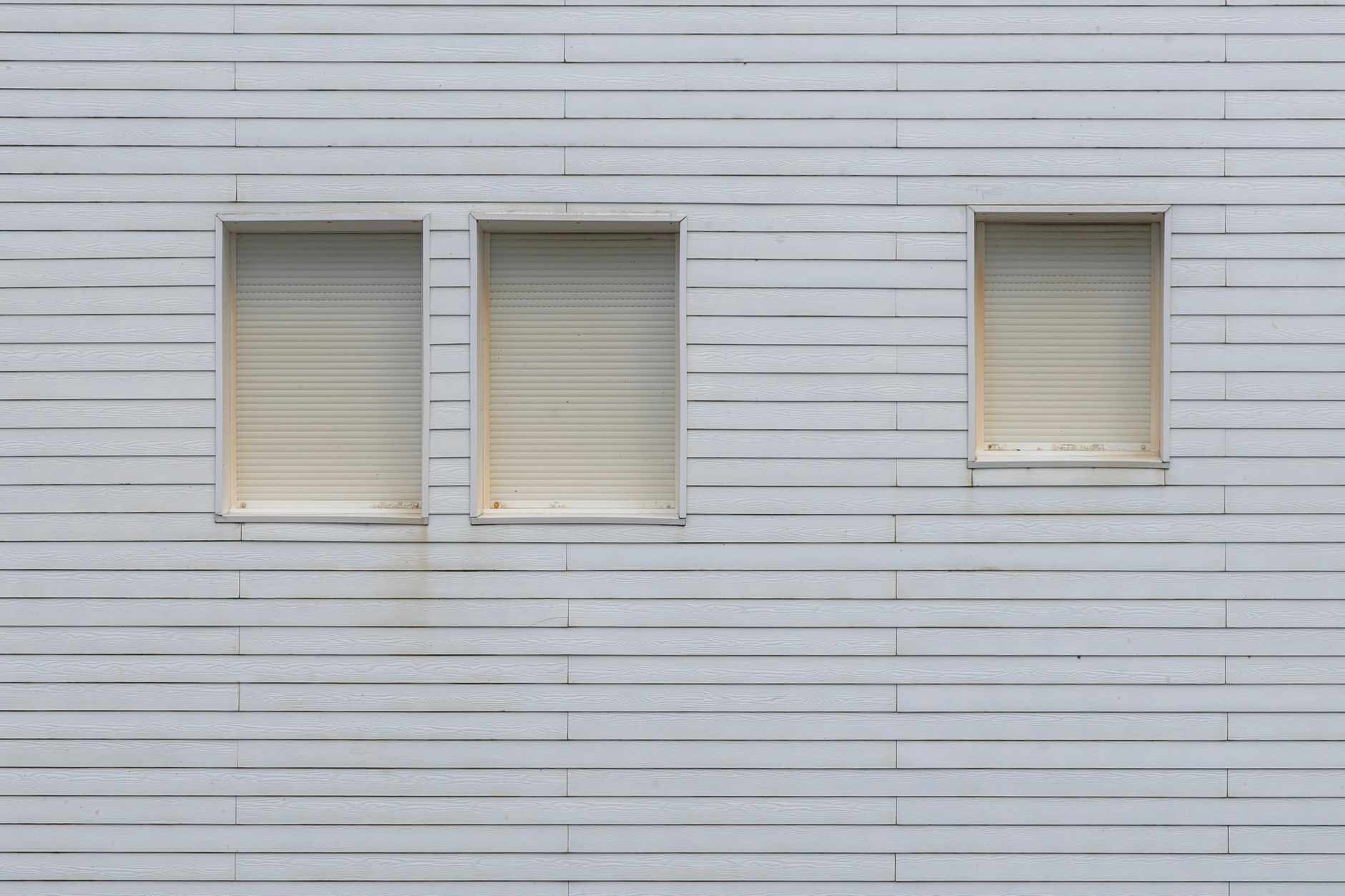
Horizontal house siding refers to exterior cladding installed in a horizontal orientation, with long, narrow panels or boards running parallel to the ground. This style of siding is among the most popular choices for residential homes due to its classic look and effective weather protection. The horizontal layout allows water to shed naturally while creating clean lines that accentuate a home’s width and architectural style.
Benefits of Horizontal Siding
One of the primary advantages of horizontal siding is its timeless aesthetic appeal. It suits a wide range of architectural designs, from traditional cottages to modern homes. Additionally, horizontal siding is relatively straightforward to install and repair. Its design promotes efficient water drainage, reducing the risk of moisture damage. This siding style also lends itself to a variety of materials and finishes, giving homeowners plenty of flexibility in terms of both durability and appearance.
Materials for Horizontal House Siding
Vinyl: Affordable and Low Maintenance
Vinyl siding is a popular choice for homeowners seeking a cost-effective, low-maintenance option. It is made from PVC plastic and comes in a wide range of colors and styles that mimic the look of wood or other materials. Vinyl siding resists moisture, insects, and rot, making it a durable option in many climates. Because it doesn’t require painting, cleaning it periodically with a hose or mild detergent is usually enough to keep it looking fresh.
Wood: Classic Elegance with Care
Wood siding offers natural warmth and traditional charm that few materials can match. It comes in various types, including cedar, pine, and redwood, each with unique grain patterns and colors. Wood siding can be painted or stained to customize the look of your home. However, wood demands regular maintenance such as sealing, painting, and inspections for pests or rot. When properly cared for, wood siding can last decades and enhance curb appeal significantly.
Fiber Cement: Durable and Versatile
Fiber cement siding combines cement, sand, and cellulose fibers to create an exceptionally sturdy material that resists fire, rot, and insects. It often replicates the appearance of wood but offers enhanced longevity and minimal upkeep. This siding is available in a variety of textures and profiles, making it a versatile choice for homeowners who want both durability and style. Though heavier and more expensive than vinyl or wood, fiber cement is prized for its excellent weather resistance.
Metal: Modern and Long-Lasting
Metal siding, commonly made from steel or aluminum, provides a sleek, modern look while offering outstanding durability. It is resistant to pests, fire, and extreme weather conditions. Metal siding can be coated with protective finishes to prevent rust and fading. While installation can be more complex and costly, metal siding requires little maintenance and can last for many decades with proper care.
Durability Factors to Consider
Weather Resistance and Longevity
Choosing siding that withstands your local climate is crucial for long-term durability. Materials like fiber cement and metal excel in resisting harsh weather such as heavy rain, snow, and strong winds. Vinyl siding performs well in moderate climates but may suffer damage under intense heat or hail. Wood siding, while beautiful, requires protective treatments to endure moisture and temperature fluctuations.
Maintenance Requirements
Different siding materials come with varying maintenance needs. Vinyl and metal require minimal upkeep, usually limited to cleaning and occasional inspections. In contrast, wood siding demands regular painting or staining, along with checks for insect damage or rot. Fiber cement strikes a balance, needing periodic cleaning and occasional repainting depending on the finish used.
Pest and Rot Resistance
Resistance to pests and rot is essential for siding longevity, especially in humid or wooded areas. Fiber cement and metal siding are naturally resistant to insects and fungal decay. Vinyl siding also resists pests but can crack or warp under extreme conditions. Wood siding is vulnerable to termites, carpenter ants, and rot, so preventive treatments and inspections are necessary to protect your investment.
Styling Your Home with Horizontal Siding
Color Choices and Trends
Modern siding materials offer a broad palette of colors, from classic whites and grays to bold blues, greens, and earth tones. Lighter colors can make a home feel larger and more inviting, while darker hues add sophistication and depth. Trends often cycle between natural, muted shades and vibrant tones, so choosing colors that complement your neighborhood and architectural style is key.
Texture and Profile Options
Horizontal siding comes in various textures and profiles that influence the overall look. Clapboard siding features narrow, overlapping boards for a traditional effect, while beveled or lap siding offers a clean, smooth finish. Some fiber cement and vinyl products replicate wood grain or rustic textures. Consider how the siding’s profile interacts with shadows and light to enhance your home’s façade.
Complementing Architectural Styles
The style of your home should guide your siding choice. For example, horizontal wood siding pairs beautifully with Craftsman and Colonial styles, emphasizing natural materials and craftsmanship. Fiber cement siding suits contemporary and transitional designs due to its versatility. Metal siding lends itself well to modern or industrial aesthetics, offering a sleek, minimalist appearance.
Installation and Cost Considerations
Professional vs. DIY Installation
Installing horizontal siding can be a complex task requiring precise measurements, proper sealing, and attention to detail. While some homeowners with construction experience may opt for a DIY approach, professional installation ensures the job meets building codes and manufacturer guidelines. Hiring experts typically results in fewer issues over time and may be necessary to maintain warranty coverage.
Budgeting for Materials and Labor
Costs vary widely depending on the siding material, quality, and installation complexity. Vinyl siding tends to be the most affordable upfront, while fiber cement and metal are more expensive but offer greater longevity. Labor can also be a significant portion of the total cost. When budgeting, consider not only initial expenses but also long-term maintenance and potential repair costs.
Warranty and Lifespan Expectations
Many siding manufacturers offer warranties ranging from 20 years to a lifetime, depending on the product. These warranties typically cover defects in materials or installation but not damage from impacts or neglect. Understanding warranty terms and expected lifespan helps you choose siding that offers the best value and peace of mind.
Maintenance Tips to Extend Siding Life
Regular Cleaning and Inspection
Keeping siding clean prevents buildup of dirt, mold, and mildew that can degrade materials over time. Use a soft brush or low-pressure hose to wash the surface at least once a year. During cleaning, inspect for cracks, loose panels, or signs of damage that need attention.
Repairing Damage Promptly
Small issues such as chips, cracks, or loose siding should be repaired quickly to prevent moisture infiltration and further deterioration. For wood siding, seal any exposed areas immediately to protect against rot. Prompt repairs help maintain both the appearance and integrity of your home’s exterior.
Protective Treatments and Sealants
Applying sealants or protective coatings can extend siding life, especially for wood and fiber cement products. These treatments repel water, block UV rays, and inhibit mold growth. Follow manufacturer recommendations for frequency and product type to maximize effectiveness.
Conclusion
Choosing the best horizontal house siding involves balancing durability, style, maintenance, and budget. Understanding the characteristics of different materials and how they perform in your environment will help you make an informed decision. Whether you prefer the classic charm of wood, the low maintenance of vinyl, the durability of fiber cement, or the modern appeal of metal, there’s a horizontal siding option that can enhance your home’s beauty and protection for years to come.
FAQ
What is the most durable material for horizontal house siding?
Fiber cement siding is widely regarded as one of the most durable options due to its resistance to weather, pests, and fire, while also requiring minimal maintenance.
Can I install horizontal siding myself?
While some experienced DIYers can install horizontal siding, professional installation is recommended to ensure proper fit, sealing, and warranty coverage.
How often should horizontal siding be maintained?
Maintenance frequency depends on the material, but generally, siding should be inspected and cleaned at least once a year to catch and address any issues early.