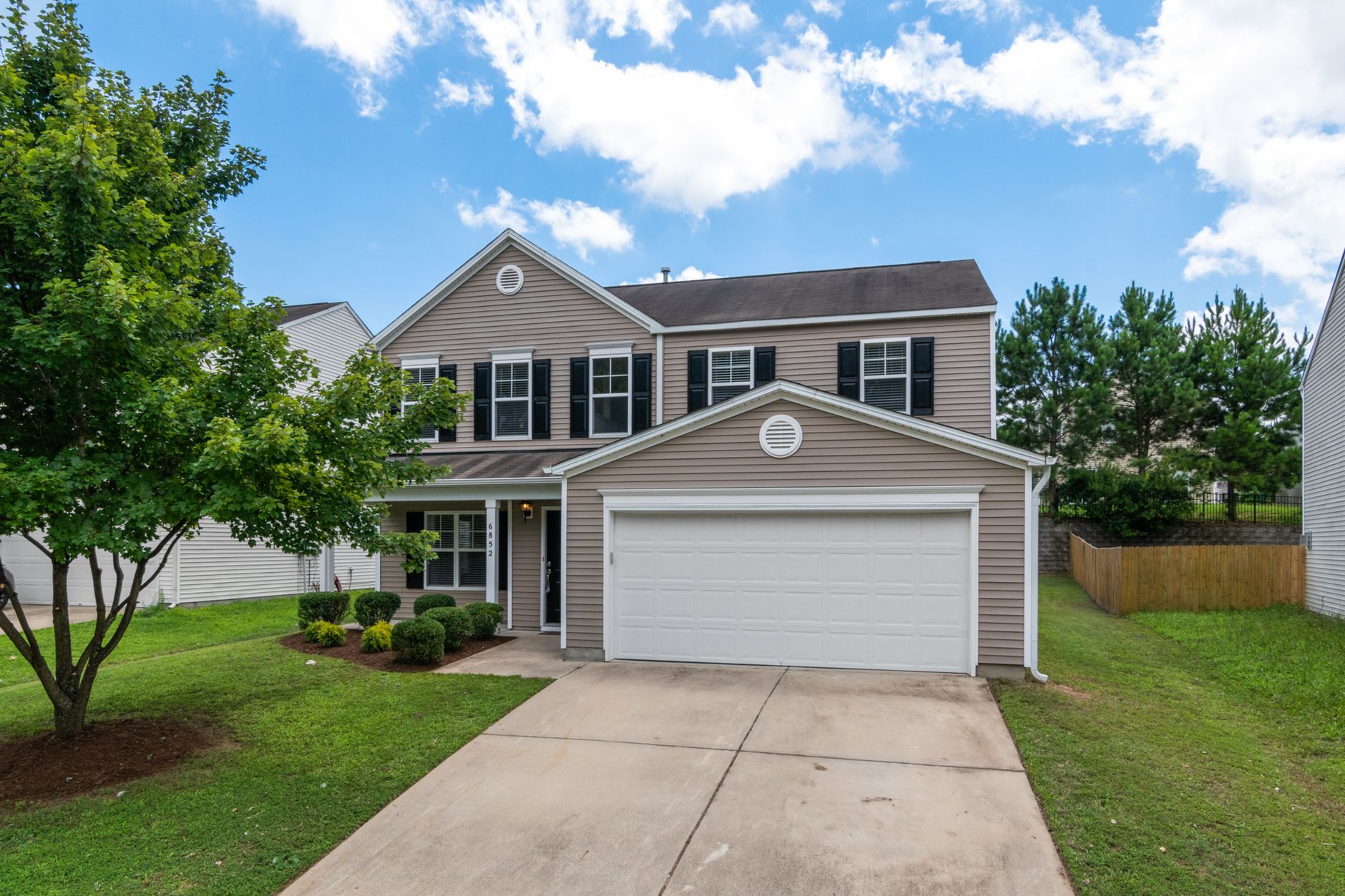
Introduction to Vinyl Siding
What is Vinyl Siding?
Vinyl siding is a popular exterior cladding material made from polyvinyl chloride (PVC) resin. It is designed to cover the outside of homes, providing a protective and decorative layer. Known for its versatility, vinyl siding comes in a variety of textures and colors, mimicking traditional wood siding or offering sleek, modern finishes. Its lightweight yet durable nature makes it a favorite choice for homeowners aiming to refresh their home's exterior without the high costs and upkeep associated with other materials.
Why Choose Vinyl Siding for Your Home?
Choosing vinyl siding comes with several advantages. It offers an affordable solution for enhancing a home's appearance while improving its insulation. Vinyl siding is resistant to pests, rot, and weather damage, reducing the need for frequent repairs or repainting. Its ease of installation and wide range of design options also make it an attractive choice for both new constructions and renovations. Moreover, homeowners appreciate the low maintenance requirements and long-lasting durability that vinyl siding provides.
How Vinyl Siding Enhances Home Insulation
Insulation Properties of Vinyl Siding
While vinyl siding itself is not a traditional insulator, modern vinyl siding systems often include insulated panels or foam backing that significantly improve thermal performance. This added layer helps to reduce heat transfer through the exterior walls, keeping indoor temperatures more stable. By minimizing drafts and cold spots, insulated vinyl siding contributes to a more comfortable living environment throughout the year.
Energy Efficiency Benefits
Enhanced insulation from vinyl siding helps to reduce the workload on heating and cooling systems. By maintaining consistent indoor temperatures, homes become more energy-efficient, leading to lower utility bills. Additionally, the reflective properties of some vinyl siding finishes can help deflect solar heat during warmer months, contributing further to energy savings. These benefits make vinyl siding an environmentally friendly option that supports sustainable living.
Reducing Heating and Cooling Costs
With proper installation of insulated vinyl siding, homeowners often notice a measurable decrease in heating and cooling expenses. The improved thermal barrier means less heat escapes during winter and less heat enters during summer, allowing HVAC systems to operate more efficiently. Over time, these savings can offset the initial investment in quality siding, making it a smart financial choice for many households.
Boosting Curb Appeal with Vinyl Siding
Wide Range of Styles and Colors
Vinyl siding offers an impressive variety of styles, from classic clapboard to board-and-batten, shakes, and more. The color palette is equally diverse, with options ranging from subtle neutrals to bold, vibrant hues. This flexibility allows homeowners to tailor their exterior design to personal tastes and architectural styles, creating a unique and inviting facade.
Improving Home Exterior Aesthetics
Beyond color and style, vinyl siding can dramatically enhance a home's curb appeal by providing a clean, uniform surface that hides imperfections in the underlying structure. Its smooth or textured finishes add depth and character, elevating the overall look of the property. Additionally, vinyl siding resists fading, helping maintain a fresh appearance for years.
Durability and Low Maintenance
Vinyl siding is engineered to withstand the elements without requiring frequent upkeep. Unlike wood, it does not need painting or staining and is resistant to moisture-related issues such as warping or rotting. Its durability means the exterior retains its attractive look with minimal effort, a major advantage for busy homeowners seeking hassle-free beauty.
Installation and Maintenance Tips
Professional Installation Best Practices
For vinyl siding to perform optimally in insulation and appearance, professional installation is crucial. Experts ensure the siding is properly aligned, securely fastened, and that any insulation layers are correctly placed. Proper flashing and sealing around windows, doors, and corners prevent water infiltration, preserving both the siding and the home’s structural integrity. Choosing experienced installers can prevent common problems such as buckling or gaps that reduce insulation effectiveness.
Routine Maintenance to Preserve Insulation and Appearance
Though vinyl siding is low maintenance, regular cleaning helps maintain its appearance and performance. Washing siding with a mild detergent and water removes dirt, mildew, and stains. Inspecting for cracks, loose panels, or damage after storms ensures any issues are promptly addressed, preventing moisture intrusion and insulation loss. Seasonal checks and gentle cleaning extend the siding’s lifespan and keep your home looking its best.
Environmental and Cost Considerations
Eco-Friendly Aspects of Vinyl Siding
Vinyl siding has seen improvements in environmental impact over the years. Many manufacturers now incorporate recycled materials into their products, reducing waste. Additionally, the energy efficiency gains from insulated vinyl siding contribute to lower household carbon footprints. While vinyl is a plastic-based product, its durability and low maintenance reduce the need for frequent replacements and resource use, which can be favorable compared to some other siding materials.
Cost Analysis Compared to Other Materials
When compared to wood, brick, or fiber cement siding, vinyl siding typically offers a more budget-friendly option both in initial costs and ongoing maintenance. Installation tends to be quicker and less labor-intensive, further reducing expenses. Over time, energy savings from improved insulation can also contribute to cost-effectiveness. Homeowners looking for a balance between affordability, performance, and aesthetics often find vinyl siding an excellent investment.
Making the Right Choice for Your Home
Assessing Your Home’s Needs
Before selecting vinyl siding, consider factors such as the local climate, architectural style, and your insulation goals. Homes in colder regions may benefit greatly from insulated vinyl siding to improve thermal efficiency. Additionally, understanding your maintenance preferences and budget will help determine the best siding options. Assessing these needs ensures that the final choice aligns with both functional and aesthetic priorities.
Choosing Quality Vinyl Siding Products
Not all vinyl siding is created equal. Look for products with robust warranties, proven durability, and certifications that guarantee performance standards. High-quality siding often features UV protection to prevent fading and enhanced impact resistance. Investing in reputable brands and working with trusted suppliers can ensure your vinyl siding performs well and retains its beauty for many years.
Conclusion
Vinyl siding is a versatile and practical choice for homeowners seeking to improve both the insulation and curb appeal of their homes. With its wide range of styles, colors, and insulation options, it offers an effective way to enhance energy efficiency while boosting aesthetic value. Coupled with professional installation and proper maintenance, vinyl siding can provide long-lasting performance that protects your home and adds lasting charm. Considering environmental factors and cost-effectiveness further solidifies vinyl siding as a smart investment for modern homeowners.
Frequently Asked Questions
Does vinyl siding really improve home insulation?
Yes, vinyl siding can enhance insulation when combined with proper insulation materials underneath, helping reduce energy costs.
How often does vinyl siding need maintenance?
Vinyl siding requires minimal maintenance, typically needing only occasional cleaning and inspections to ensure it remains in good condition.
Can vinyl siding withstand harsh weather conditions?
Vinyl siding is designed to be durable and can withstand various weather conditions, including wind, rain, and moderate hail.