Introduction to Energy Efficiency in Homes
Why energy efficiency matters
Improving a home's energy efficiency is more than just a trend—it’s a practical way to reduce utility costs, enhance comfort, and minimize environmental impact. With rising energy prices and increasing awareness about sustainability, homeowners are actively seeking solutions that make their living spaces more efficient without sacrificing style or durability.
The role of building envelope components
The building envelope—the physical barrier between the interior and exterior of a home—plays a crucial role in energy conservation. Key components like siding and windows work together to regulate indoor temperatures by controlling heat flow, air leakage, and moisture penetration. A well-designed and properly installed envelope can significantly reduce the need for heating and cooling, making the home more energy-efficient year-round.
Understanding the Role of Siding in Energy Efficiency
Types of siding and their insulating properties
Siding is the outermost layer protecting your home from the elements, and its material choice impacts thermal performance. Common siding options include vinyl, fiber cement, wood, and insulated panels.
- Vinyl siding: Popular and cost-effective, vinyl offers moderate insulation, especially when paired with foam backing.
- Fiber cement siding: Durable and resistant to weather, fiber cement provides some insulating value but generally requires additional insulation layers.
- Wood siding: Naturally insulating, wood helps slow heat transfer but demands maintenance to sustain its protective qualities.
- Insulated siding: This type integrates a foam insulation layer beneath the surface, significantly boosting the siding’s capacity to reduce heat loss and gain.
How siding reduces heat loss and gain
Siding acts as the first defense against temperature extremes by minimizing heat flow through the exterior walls. Insulated siding materials trap air and form a thermal barrier that keeps warm air inside during winter and prevents excessive heat from penetrating in summer. Additionally, siding protects the structure from moisture intrusion, which can degrade insulation effectiveness and cause energy loss.
Windows and Their Impact on Home Energy Use
Energy-efficient window features to look for
Windows are often the weakest link in a home’s thermal envelope, but modern designs can dramatically improve energy performance. Key features to consider include:
- Double or triple glazing: Multiple panes of glass with air or inert gas fills reduce heat transfer.
- Low-emissivity (Low-E) coatings: These coatings reflect infrared heat while allowing visible light, helping maintain comfortable indoor temperatures.
- Thermal breaks: Frames made with materials that reduce heat flow prevent unwanted heat exchange.
- Proper sealing and weatherstripping: Prevents drafts and air leakage around window edges.
Window placement and its effect on heating and cooling
Strategic window placement can optimize natural heating and cooling. South-facing windows in cooler climates capture solar heat during winter, while shading or smaller windows on the west side reduce overheating in summer. Combining this with energy-efficient window features maximizes comfort and lowers HVAC demands.
How Siding and Windows Complement Each Other
Creating a continuous thermal barrier
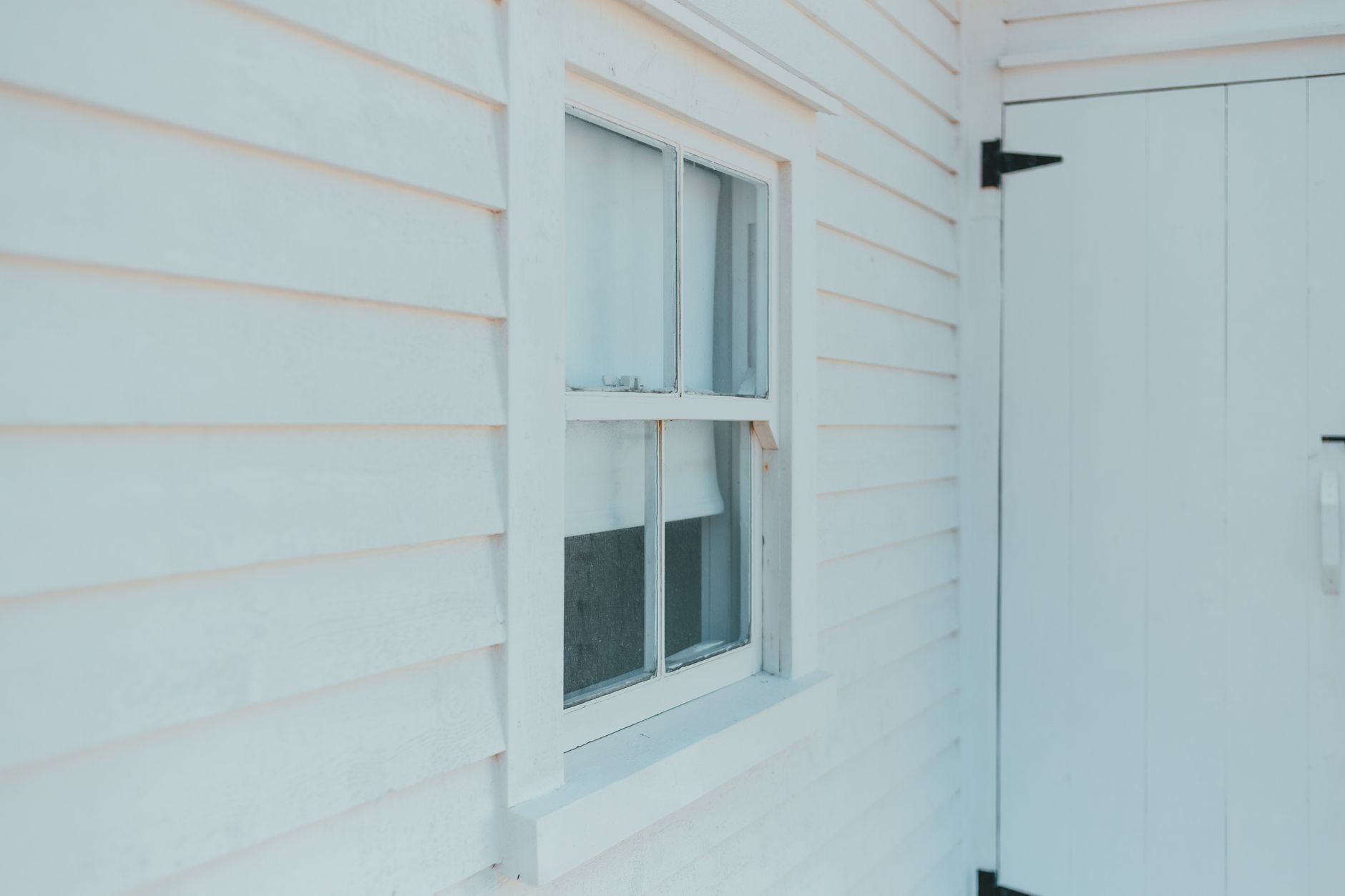
Siding and windows must work together seamlessly to form an uninterrupted thermal barrier. When siding properly integrates with window frames, it minimizes gaps and thermal bridging—areas where heat can bypass insulation. This continuity is essential to prevent energy loss and maintain consistent indoor temperatures.
Preventing drafts and moisture intrusion
Gaps between siding and windows are common sources of drafts and moisture entry, which can undermine energy efficiency and damage building materials. Proper flashing, caulking, and weatherproofing at these junctions are critical. Together, high-quality siding and well-installed windows create a durable shield against air leaks and water infiltration.
Practical Tips for Choosing Siding and Windows Together
Matching materials for optimal performance
Select siding and windows that complement each other in terms of insulation, durability, and aesthetics. For example, insulated vinyl siding pairs well with vinyl-framed energy-efficient windows for consistent thermal performance. Similarly, fiber cement siding can be matched with fiberglass or wood-clad windows that offer high insulation and weather resistance.
Professional installation considerations
Even the best materials lose effectiveness if not installed correctly. Hiring experienced professionals ensures that siding and windows are integrated with proper sealing, flashing, and alignment. This attention to detail prevents gaps, reduces air infiltration, and prolongs the lifespan of both components.
Long-Term Benefits of Coordinated Siding and Window Upgrades
Lower utility bills
Homes with well-coordinated siding and window systems experience less heat loss in winter and reduced heat gain in summer. This balance decreases the workload on heating and cooling systems, resulting in noticeable savings on energy bills over time.
Increased home comfort and value
Beyond cost savings, a tight, energy-efficient building envelope enhances indoor comfort by eliminating drafts and temperature fluctuations. Additionally, upgrading siding and windows improves curb appeal and can increase the overall market value of your home, making it a smart investment.
FAQ
Can upgrading both siding and windows really reduce my energy bills?
Yes, upgrading both siding and windows creates a more effective thermal barrier, which reduces heat loss in winter and heat gain in summer, leading to noticeable energy savings.
What siding materials work best with energy-efficient windows?
Materials like insulated vinyl, fiber cement, or engineered wood siding pair well with energy-efficient windows to maximize insulation and durability.
Is it necessary to replace both siding and windows at the same time?
While not required, replacing both simultaneously ensures compatibility and maximizes the overall energy efficiency benefits.
Conclusion
By understanding how siding and windows function together as part of a home's thermal envelope, homeowners can make informed decisions that significantly improve energy efficiency. Choosing compatible materials and ensuring professional installation creates a unified barrier that reduces energy waste, enhances comfort, and protects the home from weather damage. Coordinated upgrades in siding and windows not only bring immediate benefits in utility savings but also add long-term value and resilience to your property.